

Crypto in your calves?
Crypto (cryptosporidiosis) is a contagious parasitic infection. Calves can pick this up from various environments where they ingest microscopic parasitic eggs (oocyst). The main routes of ingestion are contaminated bedding, feeding troughs, utensils, water troughs or contact with infected faeces.
The oocyst once ingested targets the wall of the small intestine which then reproduce and multiply, heightening the infection and the risk to other calves.
Clinical signs of Crypto include:
- Watery scours
- Lethargy and weakness
- Dehydration
How To Treat Crypto in Calves:
- Separate calves that have these clinical signs
- Provide the calf with an extra feed or two of rehydration solution, such as electrolytes
- Follow vet protocol
How To Prevent Crypto in Calves:
- Cleaning and disinfecting equipment, buckets, teats every day / twice a day with a specialised targeted disinfectant
- Clean calving and calf pens with disinfectant/lime
- Boot disinfectants before entering the calf shed
- Vaccinate in calf cows/heifers, please seek advice from your vet
- Good colostrum management
- If calf jackets are used clean at 60 degrees after each calf
Please be aware calf jackets can hold the infection if not cleaned properly and heighten the contagious risk between calves.
Rotavirus in your calves?
Rotavirus is not the same as crypto, due to rotavirus being a virus. This virus invades cells in the stomach and small intestine causing poor food absorption.
Rotavirus symptoms include:
- Pale yellow/green scours
- Dehydration
- Lethargy
Please get the scours tested using an on-farm testing kit or by your vet.
Actions to take are the same as crypto as this is a highly contagious viral infection, please refer to medication from a vet specific to the infection. Rotavirus can be targeted by a broader range of disinfectants.
Add an extra feed of electrolytes, but do not take a milk feed away from the calf, as this aids with recovery.
Prevention again is the same as crypto but please refer to vet advice for vaccination recommendations.
Are your cows comfortable?
Cow comfort is a priority in reducing lameness and increasing milk production. Cows need to lie down for between 12-14 hours to ruminate and digest food and blood flow to the udder increases up to 25%, therefore increasing milk production.
The mattress you give a cow needs to mimic the natural field conditions to reduce lesions, knee injuries or lameness. This means the matts need to be multi-layer foam or have anti-compaction properties to absorb point loading.
The bed profile is essential; this allows a small uphill gradient to avoid teat damage when the cow rises so the concrete foundations need to be correct before lying the mattress on.
All herd mattresses need to be free from any damage including tears and holes, this holds moisture and increases the likelihood of high cell counts and mastitis.
Plastic or Metal cubicles for dairy Cows?
The choice between metal or plastic cubicles should be individual to each farm. The decision should be based upon cow comfort, injury reduction, cow cleanliness and the available space.
Plastic Cubicles For Cows:
Plastic cubicles are great for maximising cow comfort with research determining longer lying times, increasing milk production. However, ample cow space must be had within the shed. Plastic cubicles can be brilliant for herds made up of variable cow sizes. However, these cubicles could possibly increase the risk of mastitis and high cell counts.
Metal Cubicles For Cows:
Metal cubicles can instil a uniform lying position across the herd, ensuring contaminated bedding is kept to a minimum with moveable headrails. However, the metal can result in lesions/ abrasions and reduced lying times.
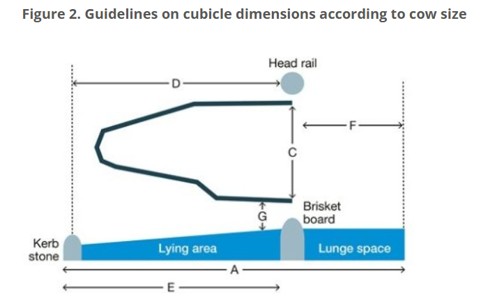
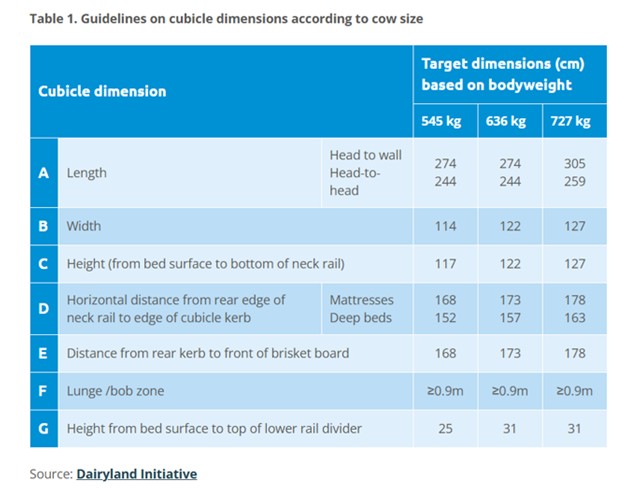
Whichever way your farm chooses, the positioning of the head rail, brisket board and width is essential. Please see the diagrams below.
How To Avoid CBAM Fertiliser Tax
The CBAM tax is due to come into effect on 1st January 2027 and could add up to £70/t onto the cost of nitrogen fertilisers. You can avoid this tax by getting fertiliser delivered on farm before 31st December if cashflow allows. Talk to your fertiliser supplier today if you haven’t already.
Has your Cattles' mastitis increased recently?
With the recent extreme weather, we have seen a spike in mastitis cases in cows across the UK. Cows congregate to areas of good ventilation or shade, which means excretion and bacteria are highly dense in that area, increasing the vulnerability of the herd.
What do about this?
- Do bacteriology to identify the type of mastitis which can help determine the source of the problem and the treatment needed.
- Check mastitis protocols, we would recommend a different procedure for first and recurrent cases.
- Check chemicals, cluster flushing and parlour routine hygiene.
- Look at the cow environment, is there any changes that could be made?
- Ensure bedding protocols are maintained and effective.
- Improve ventilation if cows are congregating.
- Make sure dry off protocol is as hygienic as possible.
- Check your milk records- at drying off, selective dry cow therapy needs to take place, treating cows which have had mastitis in the last lactation and SCC still over 100 or cows with SCC over 200 in the last 3 milk recordings.
- Replace any mattresses with damage.
If you have any questions or need advice for your dairy herd, please get in tou9ch with our expert team of dairy farm business consultants