

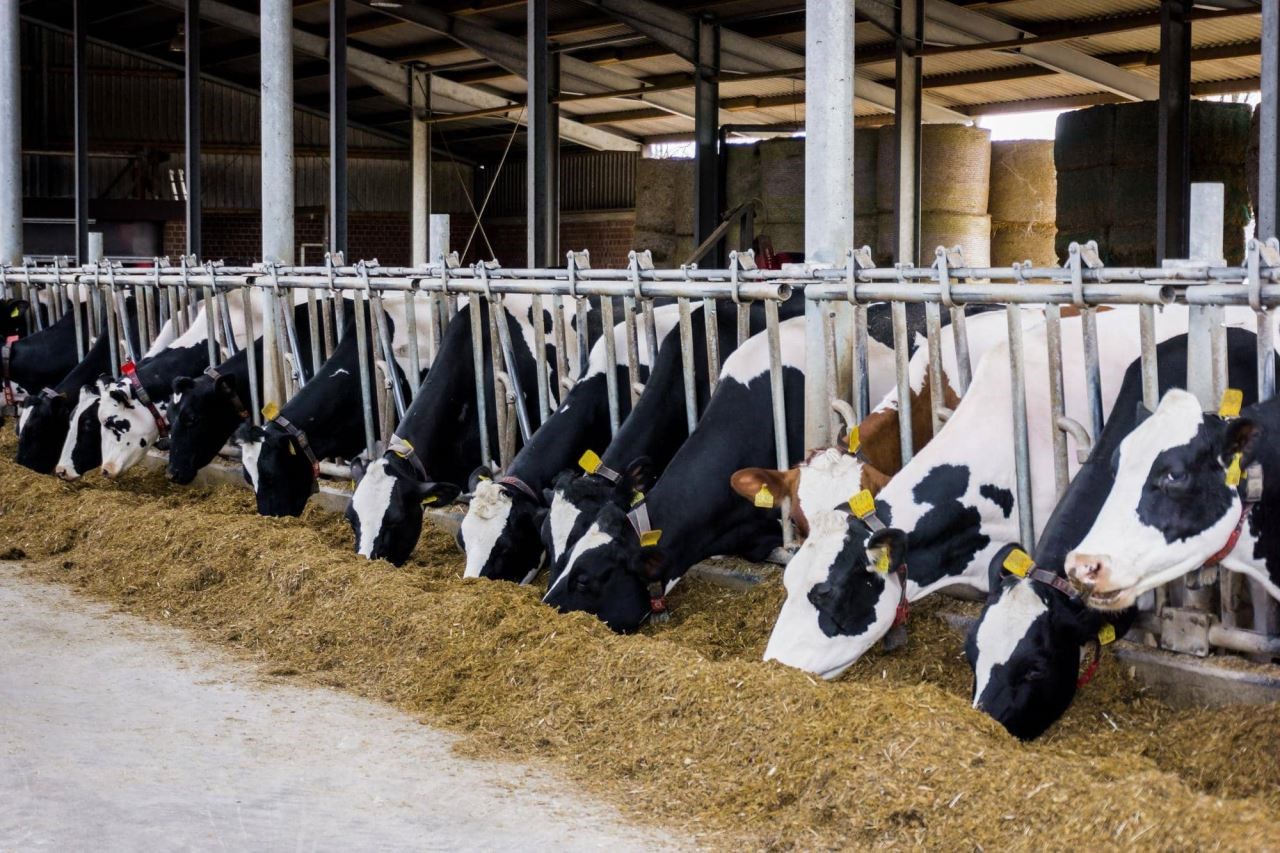
Meeting the New Targets for Dairy Antimicrobial Use: A Guide for UK Dairy Farmers
The UK dairy industry has long been recognised for its commitment to sustainability, innovation, and quality. In recent years, one of the most significant focuses within the sector has been the reduction of Antibiotic use (AMU) on dairy farms. New industry targets aim to further limit the use of antimicrobials in dairy farming, ensuring the sector plays its part in reducing antimicrobial resistance (AMR) – a global issue impacting both animal and human health.
In this article, our independent dairy consultants examine the new industry targets for AMU highlighting the progress made so far and discuss how further reductions can be achieved without compromising herd welfare or milk production. They also examine the impact that antimicrobial use has on cows, milk production, and human consumption, helping you make informed decisions on your farming practices.
The latest Dairy Antimicrobial focus report highlights further reductions in antimicrobial use on UK dairy farms and producers are meeting new targets just months after they were set.
The Importance of Reducing Antimicrobial Use
Antimicrobials are a critical tool for maintaining animal health, but their use comes with responsibilities. Overusing these medicines – particularly Critically Important Antimicrobials (CIAs) – can lead to the development of antimicrobial resistance in bacteria, reducing the efficacy of these treatments both in veterinary and human medicine.
For dairy farmers, lowering AMU is not just about complying with regulations; it's about safeguarding the future of UK farming by maintaining animal health and protecting public confidence in British dairy products. Consumers increasingly expect responsible, sustainable practices from the farming sector, and meeting these expectations is vital for ensuring the long-term reputation of the UK dairy industry.
New Targets for UK Dairy Farmers
The UK has already made significant progress in reducing AMU in the agricultural sector, driven in part by the guidance of organisations such as RUMA (Responsible Use of Medicines in Agriculture Alliance). The targets for dairy farmers include:
- Further reductions in overall antimicrobial use: By improving herd health practices and reducing the reliance on therapeutic treatments.
- Minimising the use of CIAs: These medicines are reserved for cases where no other suitable treatment is available.
- Promoting preventative care: Measures such as vaccination, improved housing, and biosecurity aim to prevent disease outbreaks, significantly lowering the need for antimicrobials in the first place.
The renewed 2024–2026 targets reflect the next step in the industry's journey, focusing on practical, evidence-based approaches to meet these aims without negatively impacting farm businesses. If you'd like advice on meeting AMU targets for 2026, please do call our independent dairy farm consultants and we'll be happy to help. We cover the whole of the UK.
How AMU Affects Cow Health
Cows often require antimicrobials to treat bacterial infections such as mastitis, lameness, and respiratory illnesses – issues that impact productivity and welfare if left unchecked. While these medicines are indispensable in certain cases, overuse can have unintended consequences.
- Resistance Development
Overexposure to antimicrobials can lead to the development of resistant bacteria in the herd. Once resistance is present, the effectiveness of treatment diminishes, and previously routine issues can become more challenging and costly to manage. - Preventable Illnesses
For some farms, routine over-reliance on antimicrobials can overshadow opportunities for preventative care. Optimising biosecurity, improving cow housing, and adopting vaccination programmes can reduce the likelihood of disease occurring and the need for medical intervention. - Welfare Implications
A focus on AMU reduction doesn’t mean that treatment should be withheld from animals in need; careful monitoring is essential. The objective is not simply to use fewer antibiotics – but to use them responsibly and only when needed, ensuring both health and welfare are prioritised.
AMU Impacts on Milk Production
Healthy cows are productive cows. By reducing the incidence of disease through effective herd health management, you can maintain and even improve milk yields and quality.
- Milk Yield Losses - Diseases such as mastitis can cause subclinical infections, lowering milk production without obvious symptoms. Regular monitoring and rapid treatment are essential to avoid production losses.
- Antimicrobial Residue in Milk - When antimicrobials are used, strict withdrawal periods must be adhered to, ensuring residues are not present in milk supplied to consumers. While the UK dairy industry already manages withdrawal periods effectively, further reductions in AMU will ensure that antimicrobial residues become even less of a concern, bolstering consumer confidence in British milk.
- Economic Benefits - By focusing on preventative measures and responsible AMU, UK farms can reduce the hidden costs of illness and withdrawal-related milk losses, improving overall profitability.
Antimicrobial Use and Human Health
There is growing global concern around the transfer of antimicrobial-resistant bacteria from animals to humans – both through direct interaction and via the food chain. The UK's rigorous milk production standards include strict testing for antimicrobial residues, ensuring that milk leaving farms is safe for consumption.
However, the reduction of AMU in dairy farming goes beyond compliance; it contributes to a wider responsibility in protecting public health. Demonstrating responsible antibiotic use helps sustain consumer trust and supports the UK’s position as a leader in sustainable agriculture.
The UK dairy sector has made great strides in this area, achieving significant reductions in AMU since the implementation of previous industry targets. This progress is a testament to the hard work of dairy farmers who have aligned with modern herd health practices.
Practical Steps for Meeting AMU Targets
Achieving and exceeding the industry targets requires continued collaboration between farmers, vets, and advisors. Here are some key steps to help you work towards further reductions:
- Proactive Herd Health Planning
Work closely with your vet to develop a tailored herd health plan. Focus on preventative approaches, such as optimising nutrition, vaccination protocols, and improving housing conditions. - Selective Dry Cow Therapy
Consider adopting selective dry cow therapy (SDCT) as an alternative to routine blanket treatment. Identify cows requiring antimicrobials at drying-off and treat only those with clinical or sub-clinical infections. - Hygiene and Biosecurity
Relatively simple changes, such as improving cubicle cleanliness or reducing contamination risks during milking, can significantly reduce the spread of infections like mastitis. - Record Keeping and Monitoring
Maintain accurate records of antimicrobial use to identify trends and determine whether reductions are possible. Herd-specific usage data can be invaluable for future decision-making. - Upskilling and Training
Invest in training for staff to improve disease detection, treatment protocol adherence, and biosecurity measures. A well-trained team is key to effective disease prevention and early intervention.
Dairy Industry - a Sustainable Future
The dairy industry has always been driven by innovation and progress, and the push to reduce antimicrobial use is no exception. Meeting and exceeding the new AMU targets is not just about compliance – it represents an opportunity to build more resilient, sustainable practices while improving herd health, protecting public confidence, and ensuring long-term productivity.
At Douglas Green Consulting, we are passionate about helping UK dairy farmers thrive in today's demanding ever-changing environment. Our experienced independent dairy farm consultants provide impartial, expert advice tailored to your farm’s specific needs, helping you meet industry targets while optimising efficiency and welfare.
If you're ready to take the next step in responsible antimicrobial use, contact Douglas Green Consulting today to find out how we can work together towards a sustainable, successful future.
Douglas Green Consulting – Empowering UK farmers with the tools, knowledge, and support to lead the way in agricultural excellence.