

As housing periods lengthen and weather becomes more unpredictable, cow comfort plays a bigger role than ever in milk yield, fertility and longevity.
Key areas to check on your farm:
- Cubicles - correct size for the cow breed, clean bedding and good neck rail positioning encourage longer lying times.
- Flooring - slippery or worn surfaces increase stress and lameness risk.
- Ventilation - fresh air reduces heat stress, mastitis pressure and respiratory issues - even in UK conditions.
-
Water access - plenty of clean trough space supports intake and milk production.
Cubicle Management
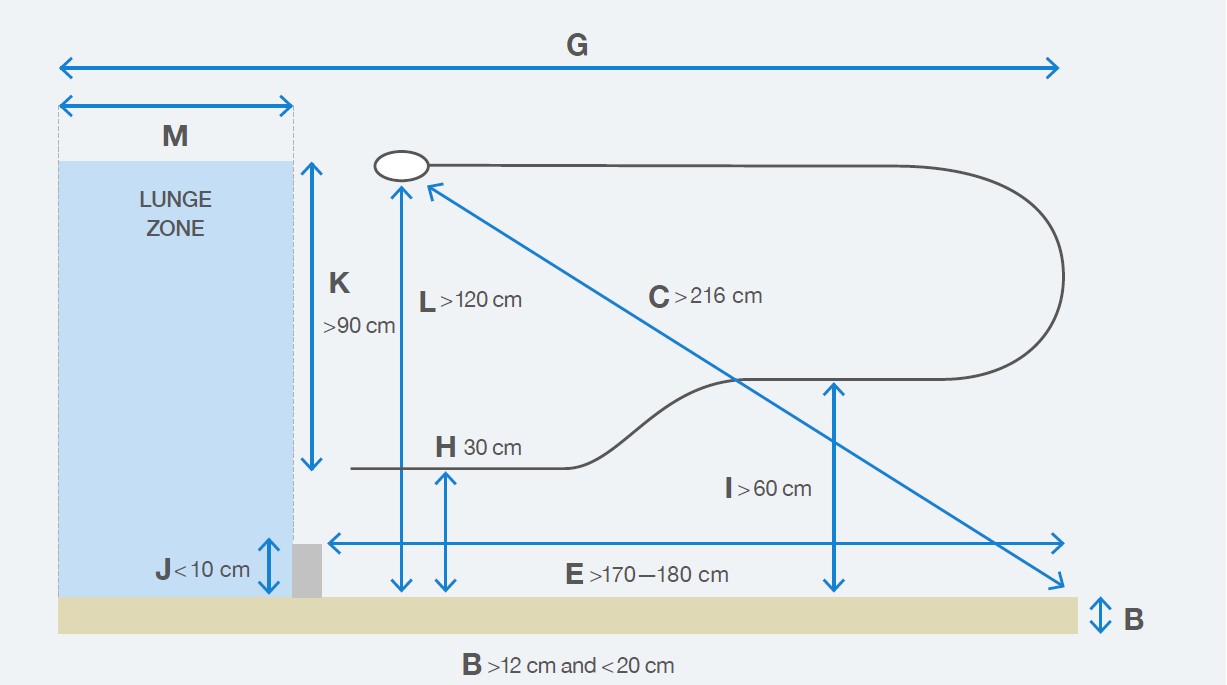
With target lying times of 12 - 14 hours, it is key that cubicles are the correct size, comfortable and clean. It is important to measure your cubicles to ensure they are the correct dimensions, if the cubicle size is not correct it can result in reduce lying times, manure on the cubicle beds and udder/teat damage.
Most UK dairy farm are on mattresses or deep sand, mattresses do have lifespan therefore replacement should be incorporated into an annual spend. Most mattresses last 10+ years but its key to look out for splits or tears in the top cover, where moisture, muck etc can get inside and compromise comfort. These can lead to larger holes that cows feet can get stuck in when trying to get up and down.
Sand cubicles should be cleaned out if there are issues with drainage, as this could lead of a build up of bacteria therefore increases the risk of mastitis and cell count issues. Regular leveling and fresh sand ensures a high level of comfort.
Using the following methods will indicate if changes are required:
Wet Knee Test - Kneel in the cubicle for 10 - 30 seconds with clean overalls or kitchen paper. If your knees are wet, the bedding is not dry enough.
Drop Knee Test - Crouch and then drop to your knees. Any pain reactions in your knees will quickly tell you know comfortable the beds are. If it hurts, it is likely the cows will be reluctant to use this area.
The graphic below shows recommended cubicle dimensions for Holstein-Friesian cows over 600kg
Flooring:
Poor quality flooring in housing and on cow tracks can lead significant mobility problems. Below we have outlined some of the key solutions:
Concrete grooving can reduce the chance of cows slipping down by providing more secure footing for expressing heats and natural behavior. The best type of grooving depends on the farm between straight, diagonal or diamond grooves. Often areas of previously grooved concrete become slippery, therefore it is key to regroove these areas. The depth of the groove is important for good grip, at least 10mm working well.
Rubber matting in particularly problematic areas with sharp turns will provide further grip, including collecting yards and parlour exits. Matting will help reduce the pressure on the hoof and potentially reduce the level of white line disease.
ventilation:
Proper ventilation is one of the most important, and often overlooked factors in dairy cow comfort and productivity. Fresh air helps remove excess heat, moisture, dust, and harmful gases such as ammonia. When air quality is poor, cows experience heat stress and respiratory irritation, which can lead to reduced feed intake, lower milk production, and increased health problems. Good ventilation supports both animal welfare and farm profitability.
Effective ventilation works by supplying clean air and removing stale air without creating drafts at cow level. Natural ventilation systems rely on sidewall openings, ridge vents, and proper building orientation.
Mechanical systems use fans to ensure consistent airflow. Advanced systems use a network of sensors (temperature, humidity, ammonia/gas concentration) to monitor real-time environmental conditions. These systems automatically adjust fan speeds, curtain positions, and cooling systems based on the data received, eliminating the need for manual adjustment and ensuring a stable environment.
water access:
Adequate water access for dairy cows is crucial for health and milk production, as water makes up 87% of milk. Key aspects for housing design involve sufficient space, strategic placement, high flow rates, and excellent water quality. Enough trough space should be available for at least 10% of the herd to drink simultaneously.
Troughs should be an appropriate height for the animals, generally around 75 cm (30 inches) from the ground for adult cows.